What a Community Anchor Institution Is and Why It Matters for Broadband Grants
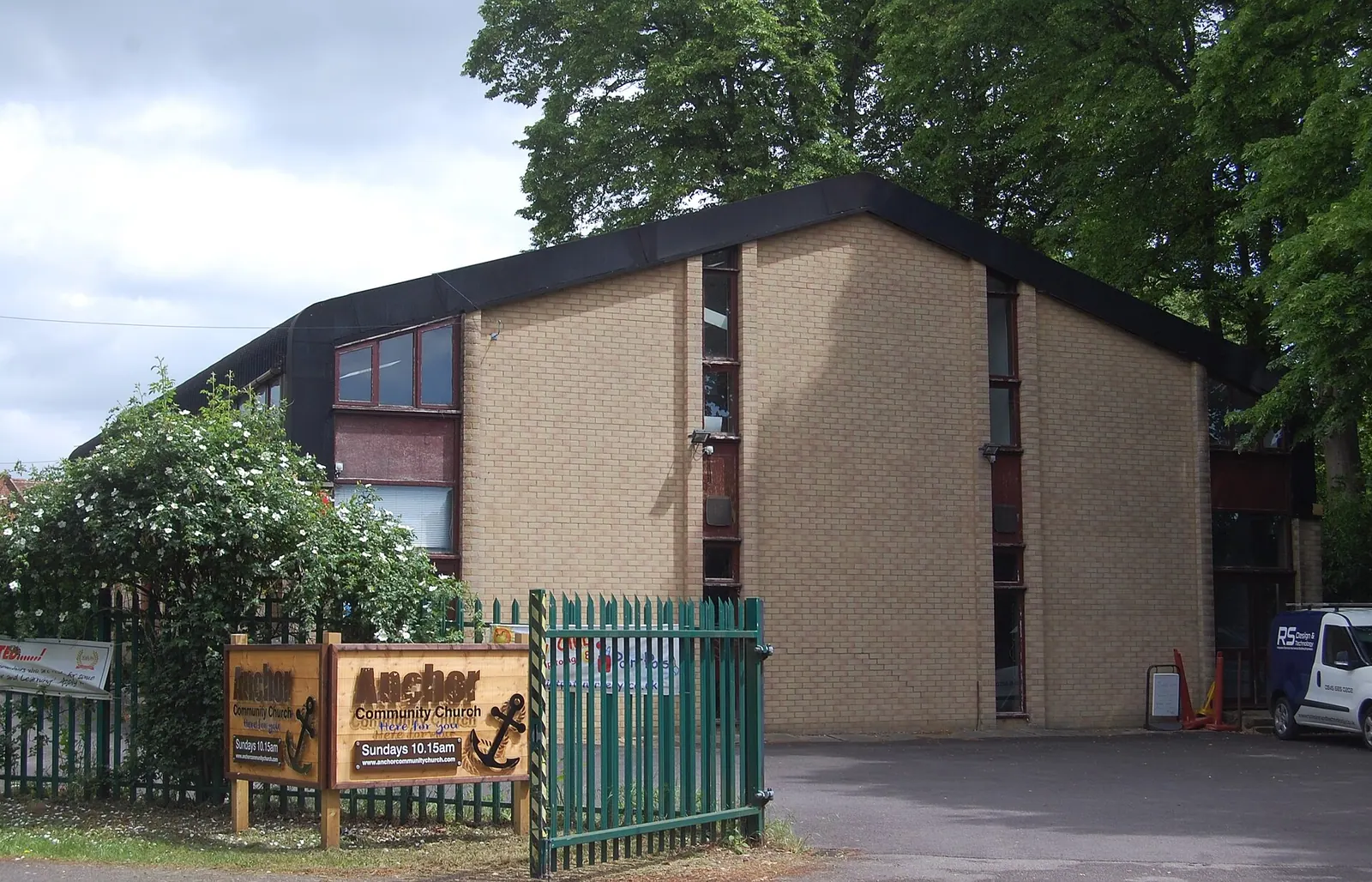
CC0, via Wikimedia Commons
A Community Anchor Institution, or CAI, is a public-serving organization like a school, library, hospital, or fire station that federal broadband programs treat as a priority connection point. Under the BEAD program, states are required to make sure every identified CAI can get broadband service at 1 Gbps symmetrical speeds where it's feasible to build. That one number drives a lot of decisions about where fiber gets built first and how much a project costs.
The definition is wider than most people assume
Most municipal staff hear "anchor institution" and think of the library and the high school. The actual federal definition, carried over from the Infrastructure Act, is much broader. It includes:
- Public and private K-12 schools
- Public libraries
- Community colleges and universities
- Health clinics and hospitals
- Public safety entities, including police and fire stations
- Community support organizations that serve low income, elderly, or disabled populations
- Job training centers and public housing organizations
That matters because your state broadband office keeps a CAI list, and that list feeds directly into how BEAD funding gets allocated across your region. If your community center or tribal health clinic never made it onto the state's list, it may get skipped over in the planning process even though it clearly fits the definition. This happens more often than people expect, usually because the list was built from old data or incomplete local input.
There's also a cost nuance worth knowing. The 1 Gbps symmetrical target is a goal, not an absolute mandate in every location. States can grant exceptions where the cost to serve a CAI at that speed is extreme relative to the benefit, similar to the extremely high cost threshold used for homes and businesses. So being on the list helps, but it doesn't guarantee a gigabit fiber line will land at every single address automatically. It guarantees the institution gets weighed and prioritized in the planning and funding math.
What to actually do about it
If you're a municipal or community leader getting ready to engage with your state's broadband grant process, a few concrete steps help:
- Pull your state broadband office's current CAI list and check it against an actual walk of your community. Libraries, clinics, housing authorities, and tribal facilities are the ones most often missing.
- Submit corrections or additions during the state's open comment or challenge window. Most states have a formal process for this, and missing the deadline means waiting for the next funding round.
- Get letters of support ready from anchor institutions early. Grant applications almost always ask for documentation showing local institutional backing, and that takes longer to collect than people plan for.
- Ask your state broadband office directly what speed tier is being used for CAIs in your area and whether any high cost exceptions have already been applied nearby.
None of this requires a consultant or special software. It mostly requires someone local willing to cross check a spreadsheet against real buildings and make a few calls before deadlines close.
GigSpeed works with communities on exactly this kind of fiber planning, since getting the anchor institution list right early tends to shape how much of a region ends up served well versus served last.
Related: If you want to understand how BEAD's challenge process can change your community's funding eligibility, that's a separate and important piece of the same puzzle.
Ready for internet that actually keeps up?
Fiber straight to your home or business, with support from people who know networks.
Check availability