What Internet Speed to Expect in a Newly Built Home Before You Move In
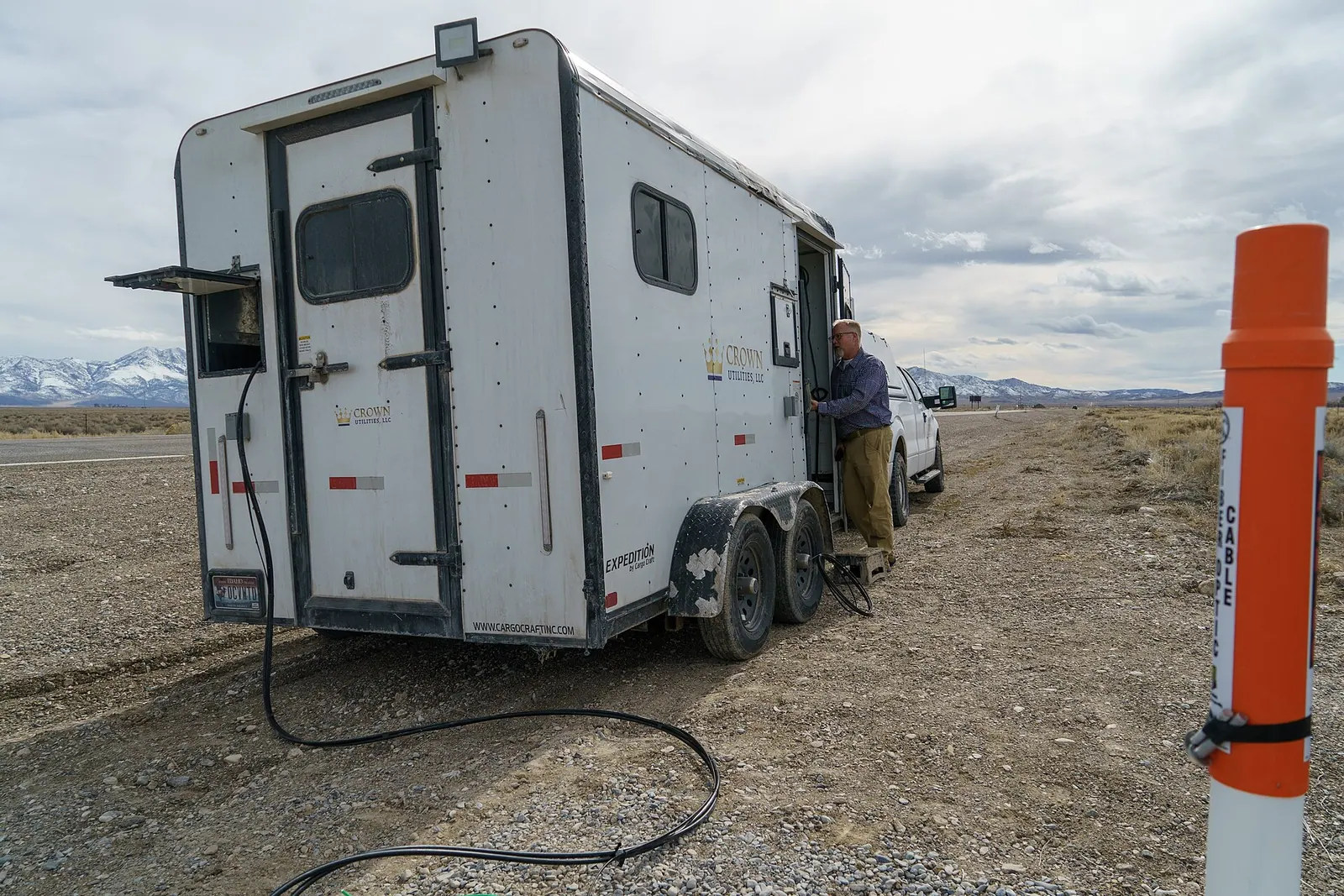
Public domain, via Wikimedia Commons
New construction homes do not come with internet already working. That surprises a lot of buyers. The house can be finished, the keys handed over, and the street still waiting on a fiber or cable drop. Run this check as soon as you have an address, ideally before you sign anything, and again a few weeks before closing. Waiting until move-in week is how people end up tethering to a phone for internet while they wait.
The checklist
- Confirm service at the exact address, not the neighborhood Builders and real estate listings often say an area is "served" when only some lots actually have a line run to them. Call providers directly with the lot number or new address.
- Ask what type of connection is available Fiber, cable, DSL, and fixed wireless all perform differently. A new subdivision might have cable available now and fiber coming in six to eighteen months. Get this in writing if you can.
- Get a real installation timeline, not a general estimate Ask what the install depends on: final grading, pole placement, permit approval, or a minimum number of signed-up homes in the area. Each of those can add weeks or months.
- Check whether conduit was laid during construction If empty conduit runs from the street to the house, hooking up service later is fast and cheap. Without it, providers may need to trench your yard, which takes longer and sometimes costs extra.
- Ask for realistic speed tiers at that address, not the max advertised speed Marketing pages often lead with the highest tier offered anywhere in the provider's footprint. The actual available tiers at a brand new address can be lower until the local network catches up.
- Find out who controls the last stretch of line In some new developments, the builder or HOA has an exclusive agreement with one provider for a period of time. That affects your choices and sometimes your price, even if other providers serve the rest of the area.
The two that people skip
Conduit is the first one. Buyers assume that if the house has electrical and plumbing roughed in, it also has a path for internet. Not always. If the builder did not lay conduit from the street or a pedestal to the house, running a line after landscaping, driveways, and sod are in only takes longer and sometimes needs special equipment to avoid tearing things up. If you are buying pre-construction, this is worth asking about directly, since it costs the builder very little to add now and costs you real delay later.
The second is address-level confirmation. People see a provider's coverage map show their zip code or subdivision name and assume they are covered. Coverage maps are built at a broad level and are often wrong at the edges of a service area, which is exactly where new construction tends to sit. The honest move is to call and give the specific address, and ask the provider to confirm there is an active or planned connection to that lot, not just the development.
Realistic timelines vary a lot by area. In a subdivision where fiber or cable lines are already in the ground and just need a final hookup, service can often start within a week or two of move-in. In a development where lines still need to be run street by street, it can take several months, and in rural or fast-growing areas it can take longer than that. There is no single national number, and anyone who gives you one without knowing your address is guessing.
If you are a remote worker or running a small business from home, build in a buffer. Keep a mobile hotspot plan active for the first month after move-in, even if a provider promised a specific install date. Construction schedules slip, permits take time, and installation crews get backed up during periods of heavy new-home growth. Community and municipal leaders evaluating broadband for growing areas should ask builders to commit to conduit standards upfront, since that single decision affects how fast every future resident gets connected.
GigSpeed works directly with municipalities and developers to get fiber planned into new construction early, rather than retrofitted later. If you are evaluating a new build or a growing community, it is worth asking early in the process whether that kind of planning is already happening on your street.
Ready for internet that actually keeps up?
Fiber straight to your home or business, with support from people who know networks.
Check availability