What Is a Broadband Cooperative and How Do Rural Communities Start One
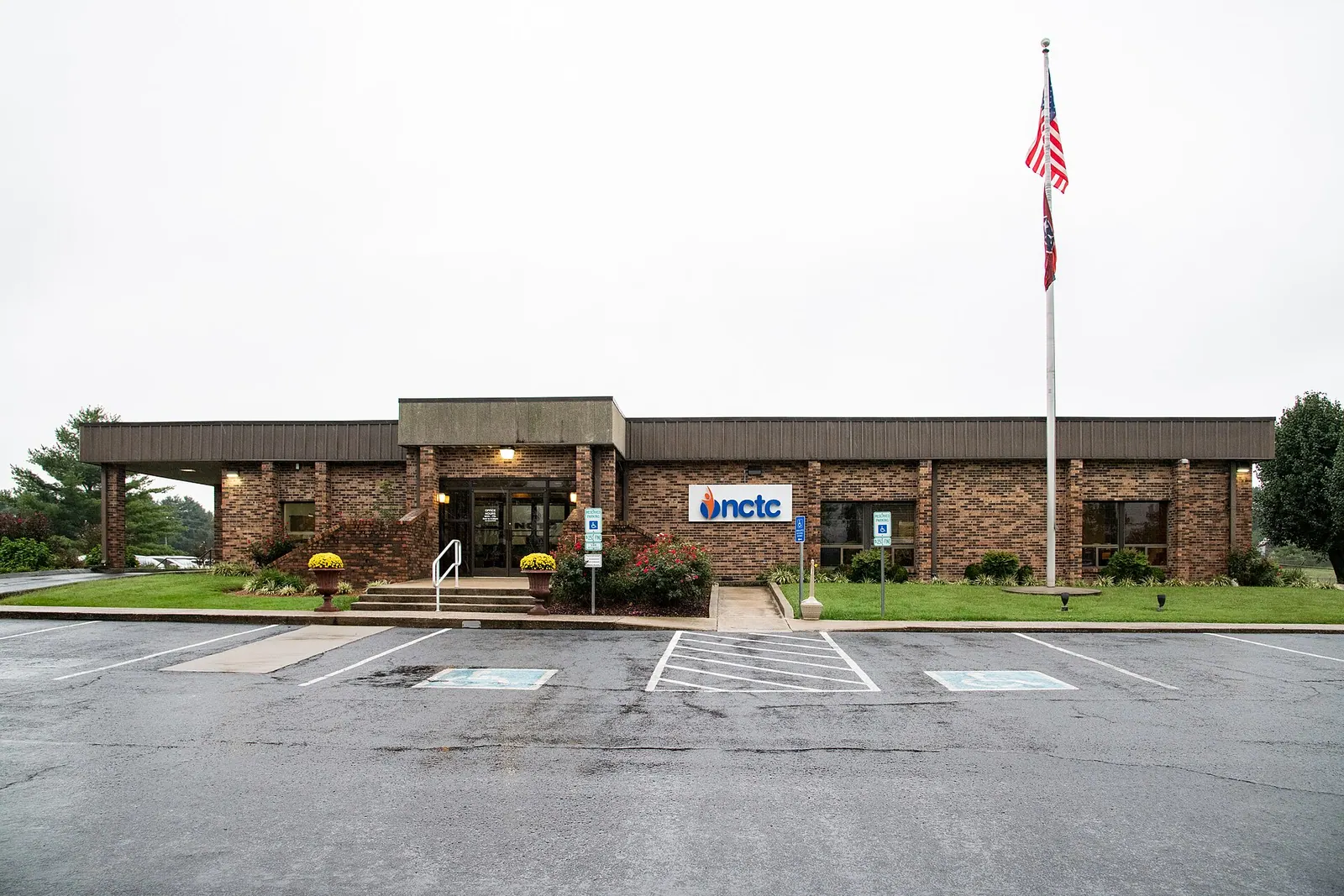
Public domain, via Wikimedia Commons
A broadband cooperative is an internet network owned by the people who use it. Instead of a private company building fiber and selling service for profit, the members themselves own the network, elect a board, and decide how it's run. If you live in a rural area where no ISP has ever run fiber past your house, and the promises of eventual expansion never seem to arrive, a cooperative is one of the few paths that puts the decision in local hands instead of a company's shareholder meeting.
Why rural areas end up considering this
Most of the time, the reason a community starts looking at cooperatives is simple: the math doesn't work for private ISPs. Running fiber costs somewhere in the range of $15,000 to $50,000 per mile depending on terrain, soil, and whether poles or trenching are involved. In a dense city block, that cost gets spread across hundreds of potential customers. Out in the country, it might be spread across five or ten homes per mile. Private companies run the numbers, see a payback period that stretches past a decade, and quietly deprioritize the area.
You can usually confirm this is your situation if you've heard some version of "it's not economically feasible right now" from an incumbent provider, or if your area shows up on a broadband map as "served" because of decade-old DSL that barely functions. That gap between what's technically available and what actually works is where cooperatives tend to form.
Other models communities consider
A cooperative isn't the only option, and it's worth knowing the alternatives before committing to it.
- Municipal broadband: the city or county owns and operates the network, usually funded by bonds and run through the local utility. This works where local government has the authority and appetite to take on debt and operate a utility. Some states restrict or ban this outright, so it's worth checking your state's rules before spending time on this route.
- Public-private partnership: local government or a utility helps fund construction, but a private company operates the network and sells the service. This can move faster than a cooperative because it uses an existing company's operations, but the community has less control over pricing and service decisions long term.
- Electric co-op fiber overbuild: in areas already served by an electric cooperative, many have expanded into fiber using existing poles, right-of-way, and billing systems. If your area already has an electric co-op, it's worth asking whether they have fiber plans before starting a new organization from scratch.
The way to tell these apart is who holds the debt and who makes the decisions. If you want direct member control and are willing to do the organizing work, a broadband cooperative is the model built for that.
How to actually start a broadband cooperative
Starting one is a real project, not a weekend effort. It typically takes a year or more before construction even starts, and several more years before the network is fully built out. Here's the rough sequence communities follow.
- 1. Form a steering committee. A small group of committed local residents, usually five to fifteen people, who will do the early legwork: research, meetings, outreach. This group doesn't need special expertise yet, just time and credibility in the community.
- 2. Gauge demand honestly. Run a survey to find out how many households and businesses would actually sign up and at what price. Lenders and grant agencies will want real numbers, not guesses. A commonly cited threshold is needing somewhere around 30 to 50 percent of households in the service area committed before a project is financially viable, though this varies by density and construction cost.
- 3. Get a feasibility study. This is usually done by an engineering or telecom consulting firm and costs somewhere in the range of $20,000 to $75,000 depending on the size of the area. It maps out construction cost, likely take rate, and a financial model showing whether the co-op can pay back its debt over 15 to 30 years.
- 4. Incorporate as a cooperative. This means filing under your state's cooperative statutes, writing bylaws, and setting up a member-elected board. A lawyer familiar with cooperative or utility law should be involved here, since the legal structure affects financing options later.
- 5. Line up financing. This is usually the hardest step. Sources include USDA Rural Utilities Service loans and grants, state broadband grant programs, and in some cases bonds if a municipality is a partner. Most projects combine two or three funding sources rather than relying on one.
- 6. Design and build the network. Once funding is secured, an engineering firm designs the actual fiber routes, and construction begins, often in phases starting with the areas that have the highest signed-up demand.
- 7. Operate or contract operations. Some cooperatives hire their own staff to run the network day to day. Others contract an experienced operator to handle technical operations, billing, and customer support while the co-op board retains ownership and oversight.
Throughout all of this, the steering committee's most important job is keeping the community informed and engaged. Cooperatives succeed or fail based on member buy-in, since the debt gets repaid by member subscriptions over many years.
When a cooperative isn't the right fit
This model doesn't work everywhere, and it's worth being honest about that before investing years into it.
If your area is extremely sparse, fewer than one or two households per mile of road, the construction cost per subscriber may be too high for any financing structure to pencil out, cooperative or otherwise. In that case, fixed wireless or satellite may be the realistic near-term answer while you wait for costs to drop or new grant programs to open up.
If there's no local group willing to spend real time on this, the project usually stalls at the steering committee stage. Feasibility studies and grant applications take sustained volunteer effort over months, and cooperatives that lack a committed core group tend to lose momentum before construction ever starts.
And if an electric cooperative or another provider already has credible fiber plans for your area, it may make more sense to advocate for and support that build rather than compete with it. Two underfunded projects trying to serve the same small area rarely both succeed.
Where a cooperative does make sense, it can be one of the most durable ways to get real fiber into a place the market has ignored. The network ends up owned by the same people who depend on it, which tends to keep service decisions grounded in what the community actually needs. Companies like GigSpeed that build fiber directly to homes and businesses show what's possible when the investment case is made, and a cooperative is one way rural areas make that case for themselves.
Ready for internet that actually keeps up?
Fiber straight to your home or business, with support from people who know networks.
Check availability